August 28, 2026
Indoor noise comes from more than loud appliances. Ordinary footsteps, conversations, moving chairs, televisions, and dropped objects all contribute to the way a space sounds. When those noises reflect from hard floors and other rigid surfaces, they can linger and make a room feel busier than the activity itself would suggest.
Carpet changes that acoustic environment by adding a broad, soft surface that absorbs some sound energy and cushions direct impacts. It does not make a room soundproof, but it can reduce echo, soften movement, and create a more comfortable atmosphere.
Understanding How Sound Behaves Indoors
Sound waves move through a room and interact with the materials they encounter. Hard surfaces such as bare flooring, glass, and painted walls reflect much of that energy back into the space. Multiple reflections can make voices sound sharper, extend the apparent duration of a noise, and create an echoing quality in rooms with limited soft furnishings.
Carpet responds differently because its fibers create a porous surface that can absorb and scatter part of the sound. Covering the floor reduces the amount of rigid surface available to reflect noise. A local carpet company can help shoppers consider this acoustic benefit together with the color, texture, durability, and comfort they want from new flooring.
Softening the Sound of Foot Traffic
Footsteps are a form of impact noise, which begins when an object makes direct contact with a floor. Shoes, pet paws, toys, and furniture can all produce an immediate sound as well as vibrations that travel through the surrounding structure. Carpet cushions the point of contact, making everyday sounds less sharp and prominent.
This quality is particularly useful in busy hallways, family rooms, children's rooms, and upper-level spaces. It can make movement less disruptive to people working, resting, or talking nearby, although results depend on the room and building. When foot traffic is a major concern, a local carpet company can compare products intended for active residential or commercial settings.
Reducing Echo and Reverberation
A room can feel noisy even when the actual sound sources are not especially loud. Reverberation occurs when reflected sound remains audible for a short period after the original noise has stopped. In a room dominated by hard surfaces, these overlapping reflections may make speech less distinct and background activity more distracting.
Because carpet absorbs some of the energy that reaches the floor, it can shorten that lingering effect. Conversations may sound more natural, television audio may be easier to follow, and the room may feel less hollow. Carpet cannot address every path by which sound enters or leaves a space, but it can improve how sound behaves within the room itself.
How Carpet Construction Affects Acoustics
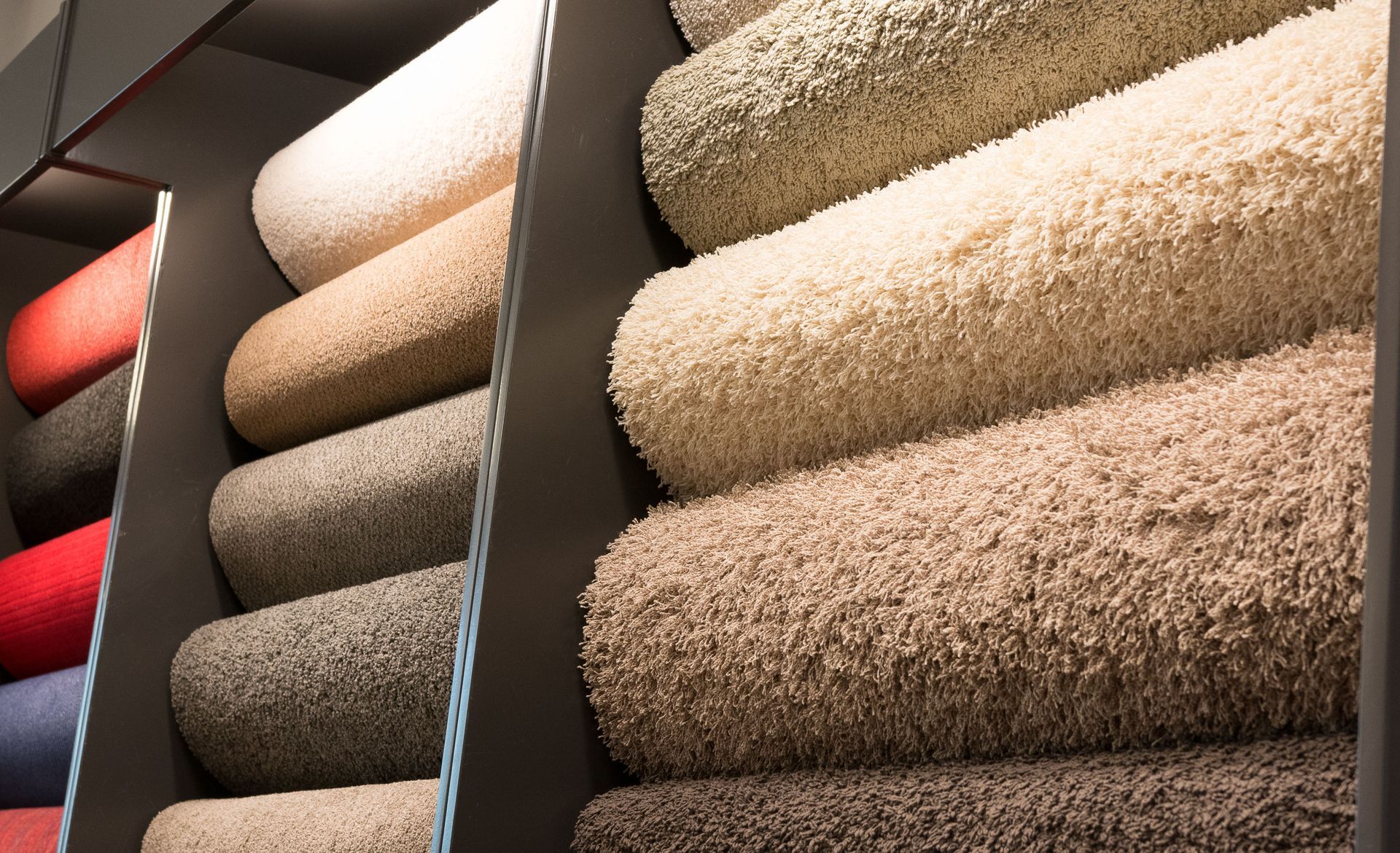
Carpets are available in different textures, pile heights, fiber arrangements, and densities. These differences influence appearance and underfoot comfort, and they can also affect how the flooring interacts with sound. Dense, plush constructions contain more fibrous material than thin, sparse surfaces, giving sound more opportunities to be absorbed or scattered.
Acoustic performance should still be balanced with the practical demands of the room. A busy entryway may call for resilience, while a bedroom may place greater emphasis on softness and warmth. By discussing traffic, comfort, style, and noise concerns with a local carpet company, property owners can look for a suitable combination rather than selecting on thickness alone.
The Importance of Broad Floor Coverage
Flooring occupies one of the largest uninterrupted surfaces in most rooms, so changing it can noticeably alter the acoustic character of an interior. According to HomeGuide, about 60% of a typical home is covered in carpet. With that level of coverage, carpet has many opportunities to absorb sounds that might otherwise reflect from hard flooring.
Continuous carpet also differs from a small area rug because it softens a greater portion of the floor. Windows, walls, ceilings, and furnishings will continue to influence the result, especially in open layouts. A local carpet company can help shoppers consider whether carpeting one noise-sensitive room or several connected spaces better fits their flooring plans.
Creating More Restful Bedrooms
Bedrooms often benefit from flooring that softens both sound and physical contact. Carpet can reduce the prominence of late-night footsteps, early-morning movement, or an object placed firmly on the floor. Its comfortable surface also complements the relaxed atmosphere many people want in sleeping areas.
Children's bedrooms may experience frequent play, quick movement, and dropped toys. Carpet cannot eliminate those sounds, but it can reduce their hard-edged quality at the floor. Selecting a style that balances softness with stain resistance and resilience allows the room to remain comfortable while accommodating regular household activity.
Supporting Concentration in Home Offices
Home offices and study areas require an environment where speech is clear and routine distractions are controlled. A bare floor can contribute to reflected sound, particularly when the room contains little upholstered furniture. Carpet helps soften those reflections and may make voices during calls sound less hollow within the room.
Flooring cannot stop noise that passes through a door, window, wall, or ventilation opening. However, reducing footfall and reverberation inside the office can still make the space feel more focused. A local carpet company can help compare options that combine acoustic comfort with the durability needed for regular movement and daily use.
Improving Comfort in Shared and Commercial Areas
Shared interiors often contain several sources of sound at once. Conversations, movement, and daily activity can overlap in living areas, offices, reception spaces, or other commercial settings. Carpet absorbs some reflected noise while cushioning footsteps, helping the entire space feel less acoustically harsh.
The right construction depends on how the area is used. A high-traffic setting needs flooring designed to maintain its appearance and performance under frequent activity, while a quieter room may prioritize softness. A local carpet company can guide customers toward carpet choices that fit residential or commercial use without separating acoustic goals from practical needs.
Coordinating Sound Control With Interior Design
Noise reduction is only one consideration when choosing carpet. Color, pattern, and texture affect how the flooring relates to walls, furniture, and lighting. A solid carpet can create a calm foundation, a tonal design can add visual depth, and a distinctive texture can introduce interest without changing the room's layout.
Practical features are equally important. Some households need stain resistance for children or pets, while busy offices may place greater weight on durability. The best choice supports the room's appearance and everyday use while still providing the soft surface responsible for carpet's acoustic advantages.
Why Professional Selection and Installation Matter
Choosing among carpet styles can be easier when the room's purpose is clearly defined. During a professional consultation, customers can describe the level of traffic, desired texture, preferred appearance, and noise concerns associated with the space. Available samples can then be considered in relation to those priorities and the lighting and décor already present.
Professional installation provides the secure, finished result needed for the carpet to perform as intended across the room. Accurate fitting and consistent placement also contribute to a smooth appearance. Working with a local carpet company that offers both selection guidance and installation keeps these connected parts of the flooring project under one provider.
Carpet can support a calmer interior by changing how everyday sound interacts with one of the room's largest surfaces. When its construction, durability, comfort, and appearance suit the setting, the flooring can reduce distracting reflections and soften routine movement without being mistaken for complete soundproofing. If you're looking for carpet installation from a renowned local carpet company, don't hesitate to reach out to Mike the Carpet Guy.